Moving to Patreon
To expand and simultaneously better support our community, PMFA is moving to Patreon. You can sign up to follow us for free, or become a paid supporter for full access, including invites to monthly conversations with public media practitioners that share your values and are tackling some of our industry’s biggest issues together. Individual and organization memberships are available.
Meet the 2026 PMFA Award Winner
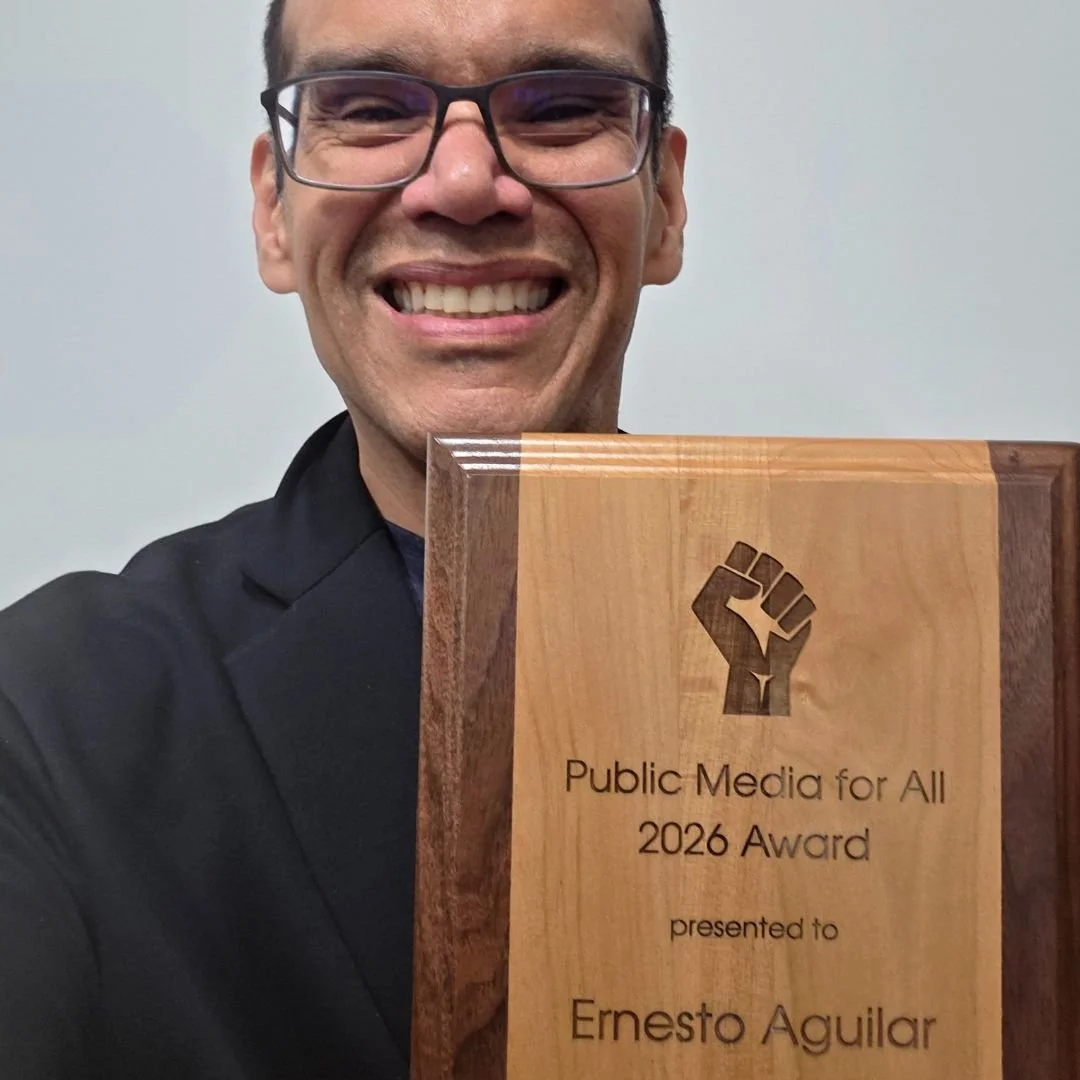
Ernesto Aguilar
Executive Director of Radio Programming and Content Innovation Initiatives, KQED
How did you get started, and what led you to focus on expanding public media for be for everyone?
I have told this story many times—most notably back in 2017 in Current—but my life was fundamentally changed by public media. It was the spark that led me to my high school and college papers and eventually to the Houston Chronicle.
I know, on a very personal level, how public media organizations serve as a proverbial porch light for young people searching for a way forward. To those of us inside the building, a moment on the microphone can sometimes feel like just another part of the job. But for the person listening, that host isn't just an analyst. That person is an ambassador of new ideas. That single broadcast can be the exact transformative moment someone needs at that specific hour of the day or night. It certainly was for me.
I did not just join journalism or public media for a career. I joined out of a deep sense of obligation to pay forward the investment public media made in me. I know well that knowledge is power and opportunity. Public media brings that gift into people’s homes, cars, phones and feeds every day and every night. We only have a limited amount of time in this life. If I’m going to devote mine to anything, I want it to be the betterment of the communities and people around me. That’s the energy I bring to my work: an aspiration to keep that door open so others can find their way in, like I did.
As a professional in public media, how have your personal experiences shaped the way you approach your work?
Growing up in East Houston, you learn early that your environment is a masterclass in human nature. Denver Harbor is a barrio of blacktop streets, drainage ditches and endless chain-link fences. It is also a place where you live in close quarters with working people with countless experiences. To thrive there, you have to navigate a range of attitudes and situations with wisdom. You learn how to fit in and negotiate life while still finding the courage to assert who you are.
That upbringing was humbling, but it was also my greatest training ground. It taught me that none of us knows everything, and that being resourceful, a sharp listener and deeply attuned to the people around you are the most valuable tools you can possess.
I carry those lessons into every room I enter now. I’ve also learned to appreciate every moment I have, because I’m painfully aware of how many people I grew up with didn't get the same chances.
When I mentor emerging leaders in public media, I’m not speaking from theory, even now. I sympathize with their concerns because I’ve lived them. I know what it feels like to be doubted in this industry, and I know the weight of being the only person who looks like me in the room. I wasn't a backseat baby, and I didn't come from a prestigious college. Like I did when I was growing up, I have had to trust my own instincts and remain firm in the belief that my perspective is not just valid, but essential.
Can you share some of the key actions or initiatives you’ve led that have really made an impact over the years?
I have always believed it isn’t for me to quantify my own impact. That is a verdict only the community can deliver. But when I look back at the moments that resonated most, they all share a common thread: making public media bigger, bolder and more reflective of the real America.
Long before the industry-wide reckoning of 2020, I was leading sessions with noncommercial stations back in 2016. We were digging into the hard questions: what does it actually mean to serve diverse communities, especially those where trust has been fractured for decades? Creating that space for honest dialogue before it became a nationwide conversation is something colleagues still tell me was a turning point for them.
When George Floyd was murdered, the weight hit me differently. George Floyd was from my hometown. While stations struggled to help their listeners process the outrage, I kept coming back to the idea that when words fail, music speaks. I suggested that stations across the country play Sam Cooke’s “A Change is Gonna Come” on the day of George Floyd’s funeral. Seeing broadcasters join in was a vivid reminder of our power to create a shared sanctuary, even for listeners thousands of miles apart.
That same spirit of showing, not just telling, led me to launch OIGO in 2021. Many of us have heard of public media organizations ask for examples of work that actually functions. By spotlighting the data, the journalists and the thinkers doing the heavy lifting, OIGO has become a platform for voices that might otherwise go unheard. It’s an honor to amplify their work and provide a roadmap for others to follow. It still surprises and delights me when people I look up to tell me they read it.
People often ask why I volunteer my time to help stations navigate cultural shifts instead of being a fee-based consultant. It’s simple: the 16-year-old version of me is always standing in the background, reminding me that I am here because of public media. My time is a debt of gratitude to the system that saved me. Whether it’s developing free resources like the DEI Council guide with Paige Robnett and Brevity & Wit, or helping a team bake accountability into their internal culture, I’m focused on service. I appreciate how hard it is for stations these days and know how important support is when you don’t have much.
If you ask anyone in this system about me, they’ll probably mention my optimism. It is my most impactful action. I have an unapologetically upbeat view of our future. I remind people constantly: we are the first responders for information and connection. When the fires burn, we’re the ones who run toward them because our communities need our strength and our belief in one another. I love this industry and its people, critiques and all. There is no one else I’d rather be in the trenches with than the staff and volunteers giving their all to noncommercial media right now.
What do you think are the biggest challenges public media faces right now when it comes to expanding access and inclusion? And how can we, as an industry, push back or continue to move forward?
I see the challenges not as abstract industry hurdles, but as deeply personal barriers. For me, the biggest obstacle isn't just audience growth. Really, it is a crisis of trust and a need for new organizational design.
First, let’s talk about the trust gap. In our industry, we tend to fixate on our own lack of historical inclusivity as the primary reason people don’t trust us. That’s a necessary conversation, but the sociology minor in me has to point out that we’re missing the forest for the trees. The disintegration of trust in institutions isn't just a public media problem. It’s a sixty-year American project that has been dismantling the civic fabric since long before many of us arrived.
In communities like the one where I grew up in East Houston, the fear of institutions isn't theoretical; it’s a survival instinct born from decades of neglect and outright malfeasance. On top of that, we are contending with a creator class that is rapidly erasing the traditional role of media as an institution altogether. Rebuilding that faith isn't a three-year strategic plan. It is a generations-long project. Some nights, I worry how our industry will find the stamina to see it through to completion.
Then there is the structural puzzle of Inclusion. We’ve seen a pattern where DEI efforts are the first to be pruned during budget cuts. This happens because inclusion is often treated as a project rather than being baked into the very architecture of our stations. I wrote about this recently, but in short, when authority and accountability don't follow our language, the work isn't durable.
Ultimately, public media needs to be the civic bridge. Our job is to connect disparate communities, including those that are disparate politically, even if some in the base might not want to hear it. If we are the first responders for information, that means charging toward the fires of division with a sense of hope and a determination to listen.
Looking back at your career and everything you’ve accomplished, what’s the moment or achievement you’re most proud of, especially when considering the changing landscape around diversity in the workplace?
The moment that stays with me is not a specific award or a headline event. It is the realization that I have been able to ascend without losing the perspective or the values of the community that shaped me.
I have lost track of how many times I had been keynoting an event, standing beside my own heroes, and it suddenly hits me: how is it that a kid from one of Houston’s oldest working-class Mexican American barrios is actually here? Then I think of my mother. She gave everything she had, and her only dream was for her son to be happy, because as a young girl, she lived under a mountain of expectations. Happiness wasn't one of them. She knew exactly what a rare treasure it is, and she made sure it was a choice I actually got to make.
I know I did not get here on my own. I could not have done this without the wonderful people in this industry who have been my steadfast support, my counsel and my friends. They are the ones who reached back and pulled me forward, encouraging me and believing in my potential, even in those moments when I didn't believe in myself.
If I have to point to one achievement, it’s my consistency.
I understand when people feel like organizations treat diversity, inclusion, and growth as a seasonal thing or an obligation. Being consistent means I have refused to be knocked down, sit still or rest. I am proud that I have pushed for these ideas to be more than just a baseline. I want them to be an exciting, forward-looking destination where public media can safely place its hopes. I see more than a culture of compliance, but a culture of possibility.
Being able to stand in these spaces and say, 'I am here because of this institution, and now I am going to make sure the door stays open for the next person who looks like the people this industry needs,' is something to celebrate. Through every shift in the landscape and every move in my career, that commitment is the one thing I have never let change.
The Future is Now: Meet the Speakers
Looking for inspiration? Hope? Energy? Start your new year off with vision, clarity and community. Join Public Media for All for our 6th annual Day of Action & Education webinar. We're thrilled to announce that the following have leaders from a range of organizations and backgrounds will be sharing their visions for a better public media and the practices they're putting in place now to get us there now.
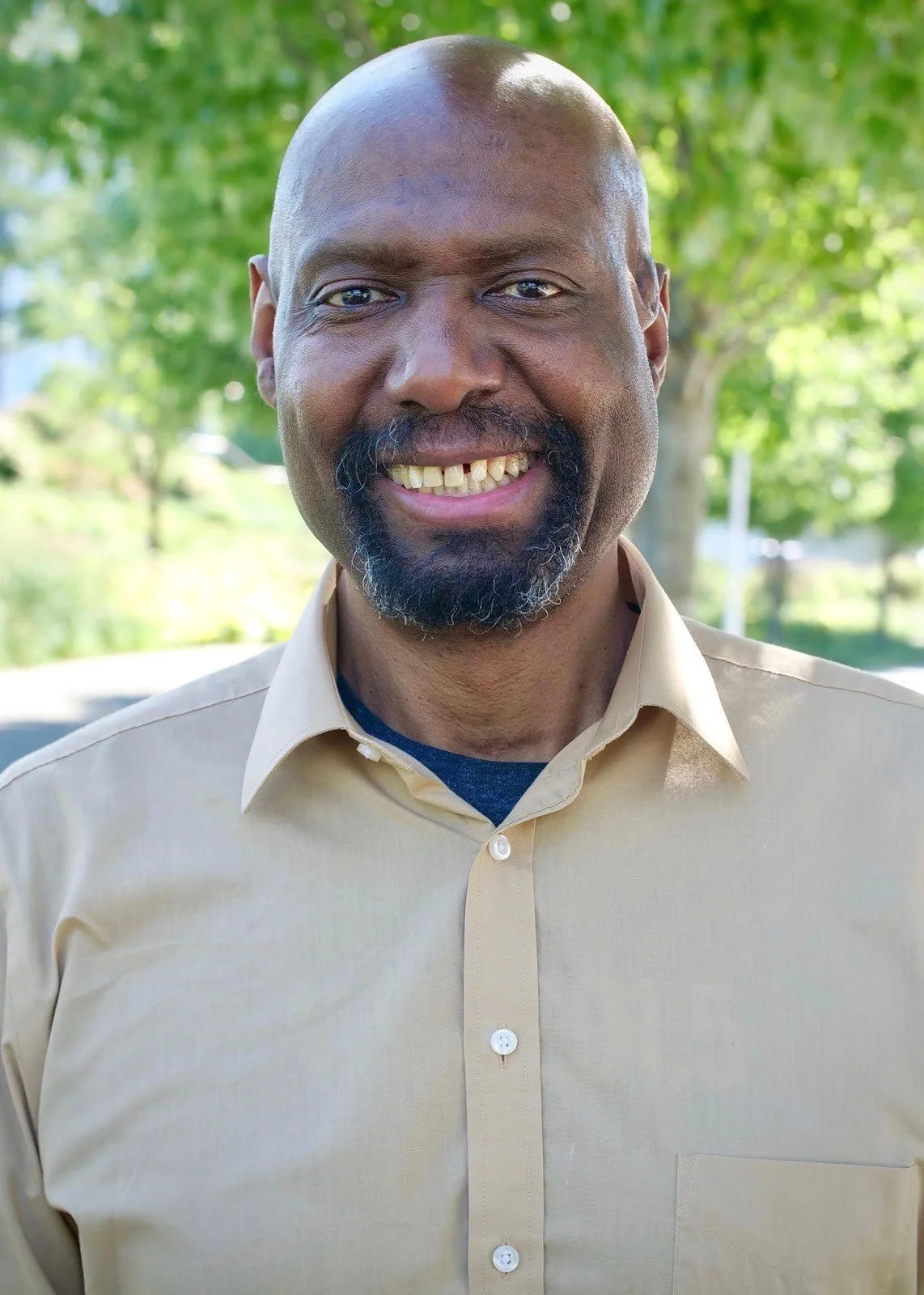
Steve Bynum
Steve Bynum is the manager of Diversity, Equity, Inclusion, and Belonging (DEIB) for Chicago Public Media, the parent company of WBEZ and the Chicago Sun-Times. He has won numerous awards in broadcast excellence and lectures and moderates discussions on the media’s role in democracy, culture, and communities. He is also a consultant on diversity, equity, inclusion, and belonging (DEIB) in media and the workplace.
He was a senior producer at WBEZ for “Reset with Sasha-Ann Simons.” For nearly two decades, Steve was the senior producer for “Worldview with Jerome McDonnell,” WBEZ’s 25-year global affairs/news program. Steve led “Worldview” through words from a work of ancient Roman playwright Terence: “I am human, and I think nothing human is alien to me.”
His operating principle is that global citizenship is the bulwark to defeat racism in its psychological and structural forms. When he began traveling abroad, Steve realized that, rather than being an ethnic minority, he was part of a global “majority.” Traveling and living abroad expanded his thinking, aspirations, and opportunities. As Steve says, “At that point, racism lost its psychological grip on me and a wall came down.” He wishes for young people of color to see leaving America as an option for realizing their genius, in the tradition of “American Nomads” like Frederick Douglass, Ira Aldridge, Paul Robeson, Josephine Baker, Langston Hughes, and James Baldwin.
Steve is a University of Notre Dame alumnus and attained a Master of Public Policy and Administration (MPPA) degree from Northwestern University. He is completing a Master’s degree in Eastern Orthodox Theology.
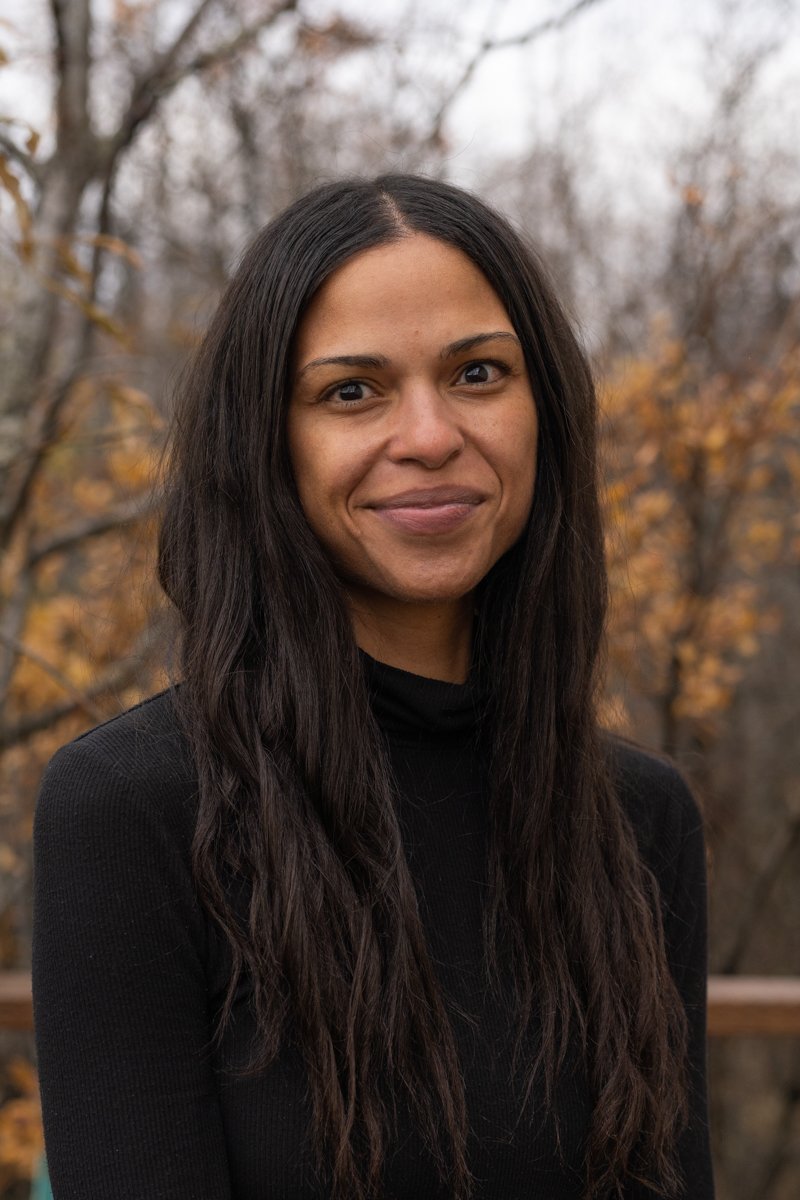
Kristin Hall
Kristin Hall is the General Manager of KYUK, the oldest Indigenous-led public radio station in the United States. Based in Bethel, Alaska, KYUK is a bilingual radio and television station that provides essential news, cultural programming, and Yup’ik language content to more than 50 Alaska Native communities across the Yukon-Kuskokwim Delta, a region spanning 75,000 square miles, off the road system in western Alaska.
Since joining the station as a volunteer in 2011 she has supported operations in radio programming, community engagement, and development. Taking on the role of General Manager in September 2025, she now oversees strategic planning, fundraising, advocacy, and operations for one of the most remote and mission-driven public media stations in the country. Her leadership has supported everything from major capital projects and infrastructure expansion to launching KYUK’s first endowment fund in 2021.
KYUK is a multiple-time recipient of regional Edward R. Murrow Awards and earned first place from the Society of Professional Journalists for its comprehensive pandemic coverage— competing against small-market outlets across Alaska, Idaho, Montana, Oregon, and Washington. The station’s work has been featured by national outlets including NPR, PBS NewsHour, and The Washington Post, underscoring KYUK’s vital role as a trusted source of rural and Indigenous journalism.
Hall is committed to preserving KYUK’s legacy and advancing its mission as a cultural and informational lifeline for the Yukon-Kuskokwim Delta.
Mollie Kabler
Mollie Kabler is the executive director of CoastAlaska, Inc, a public media collaborative serving Alaskan based stations. She loves living in Sitka and working with Alaskans that care about public media. Mollie earned her bachelor’s degree at Carleton College as a biology major and a Master’s in Public Administration from University of Alaska SE. Mollie has been active in many facets of the Sitka community including local government, arts administration and local radio. Mollie loves camping, hiking and gardening. Her seasonal radio shows about how to garden in southeast Alaska have been on the air every spring for over 30 years.
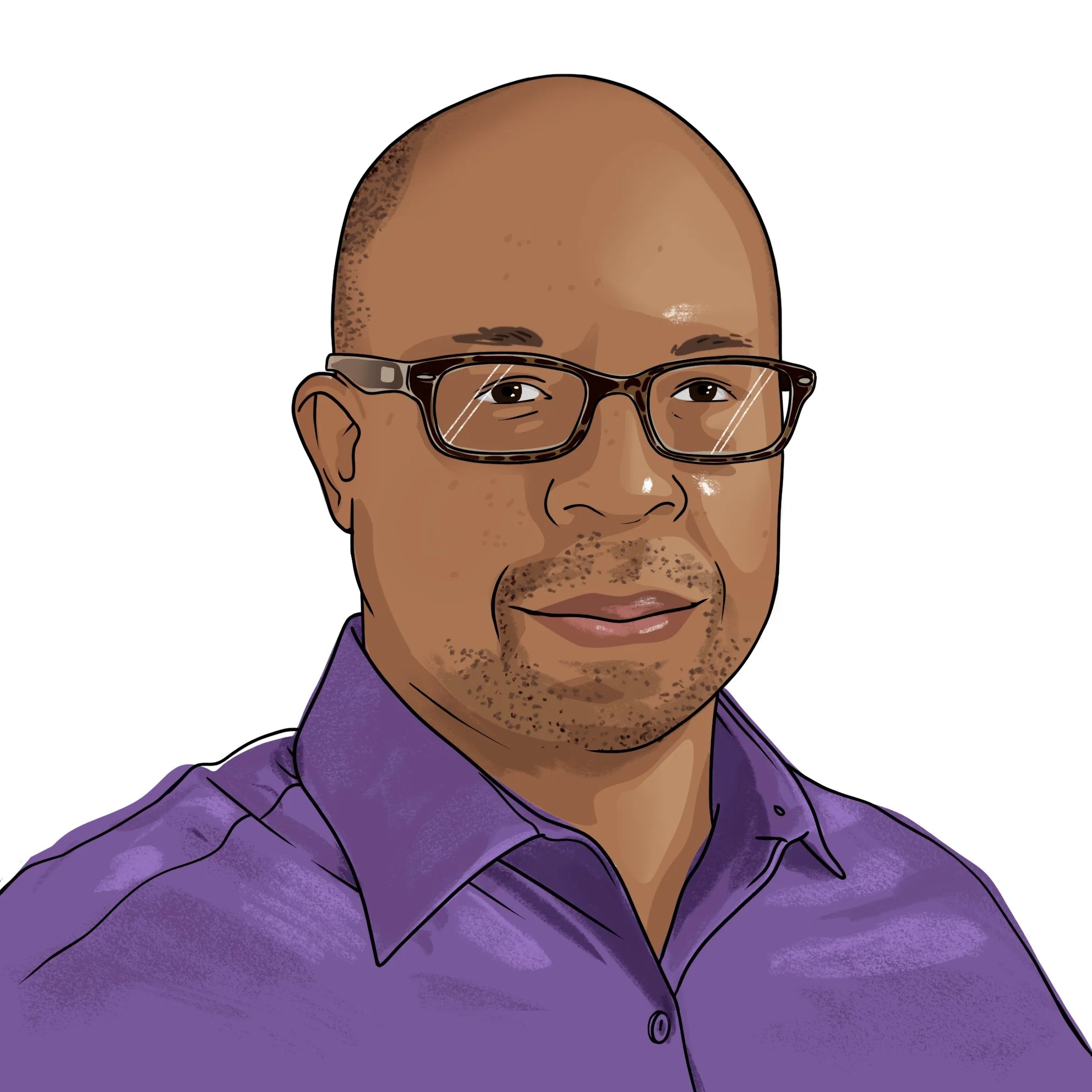
Doug Mitchell
Doug is the Founder and Director of "Next Gen Radio," a locally focused and produced digital media skill development program. We are funded by public media stations, colleges, and universities, with additional support from other non-profit and for-profit organizations. Since 2013, Next Gen Radio has more than 526 program alumni from 93 one-week projects working across media, journalism, and communications.
Doug Mitchell’s role has evolved. While he builds and leads the project staff (they are never the same), he also guides the Next Gen-curated community of nearly 700 people, helping to dissect the nuanced ups and downs of life and work. Next Gen is currently undergoing a slight rebrand for 2026 as we transition to an independent nonprofit entity.
Doug has been awarded four international fellowships. Three were to Santiago, Chile, and with the International Center for Journalists, the US State Department, and Fulbright. The fourth was through an NGO that works with exiled journalists and to Dakar, Senegal.
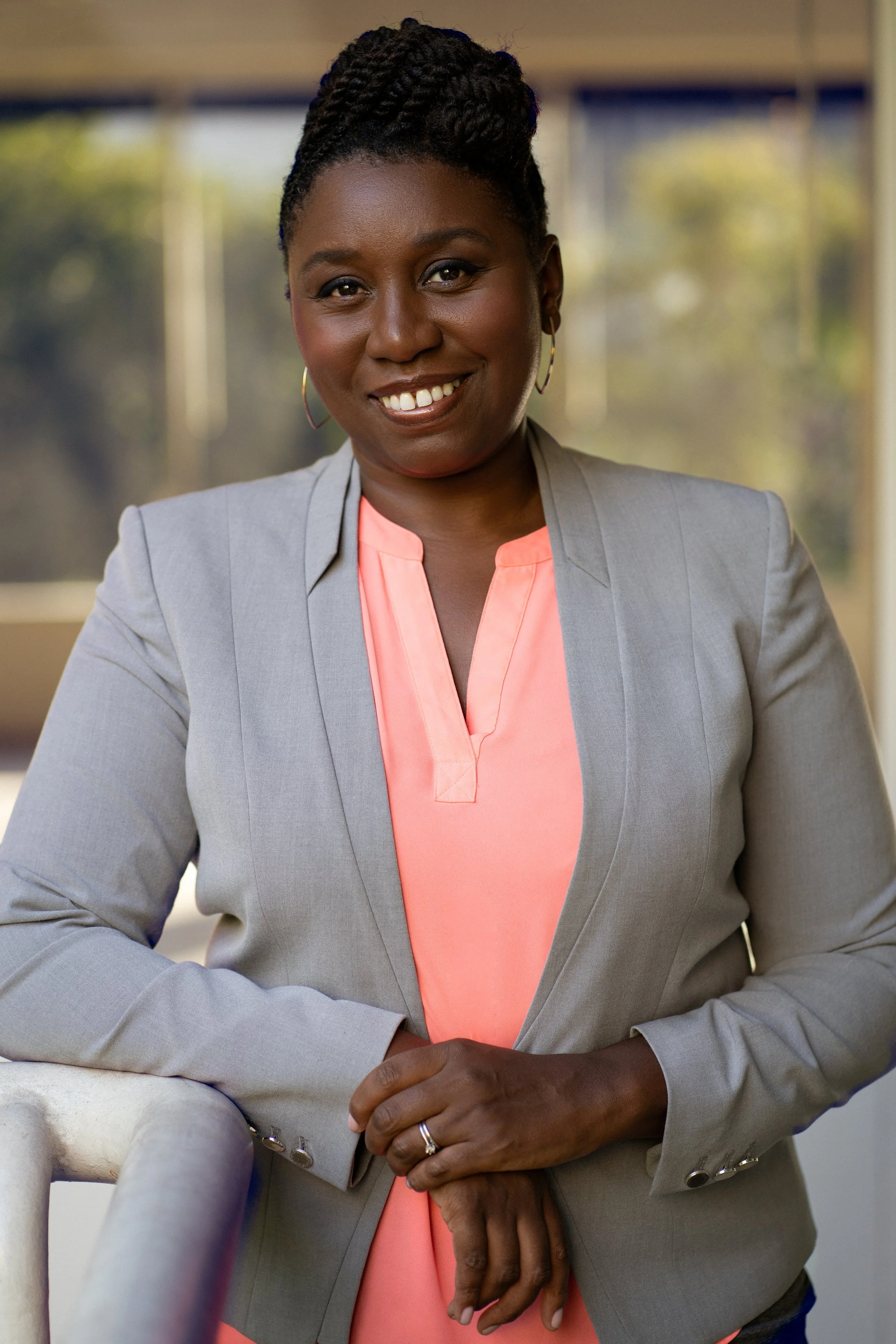
Joanne Griffith
Joanne Griffith is the chief content officer of American Public Media’s Marketplace, where she oversees the multichannel strategy across broadcast, on demand and digital platforms. She joined Marketplace in 2025 after four years leading podcast editorial for APM Studios. In that time, Joanne developed the framework that led to significant shifts in audience and staff diversity.
She was the founding managing editor of the California Newsroom, an NPR regional news hub, bringing together 15 stations in the midst of the pandemic. As a documentarian, she was the lead producer for the ESPN "30 for 30" podcast, "The King of Crenshaw." She has also led teams at Southern California Public Radio, and the BBC. Outside of the office, Joanne supports creators through En(title)d! Leaders, a conversation and coaching space for leaders of color in creative industries.
The Future is Now: Meet the Speakers
Looking for inspiration? Hope? Energy? Start your new year off with vision, clarity and community. Join Public Media for All for our 6th annual Day of Action & Education webinar. We're thrilled to announce that the following have leaders from a range of organizations and backgrounds will be sharing their visions for a better public media and the practices they're putting in place now to get us there now.
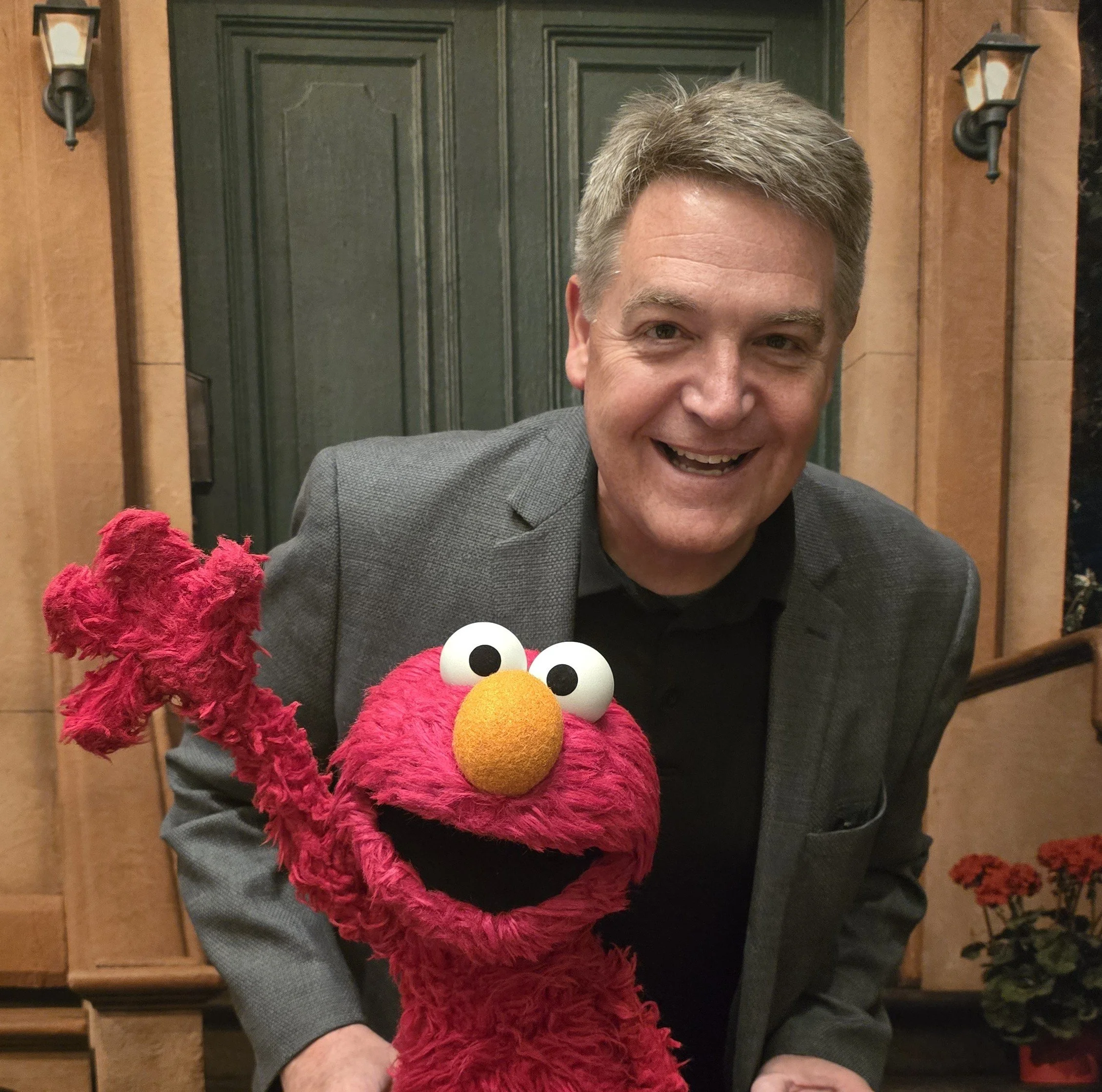
Jim Rademaker
Jim Rademaker has been the General Manager of WGVU Public Media since August 2021. Prior to that he was General Manager of WCMU Public Media at Central Michigan University. He currently serves as the President of the Michigan Association for Public Broadcasters, Chair of the Joint Licensee Affinity Group Coalition (PBS org), and as Vice Chair of the Affinity Group Coalition.
Jim Rademaker returned to WGVU as General Manager at WGVU Public Media in Grand Rapids, Michigan in August of 2021. His public media career began as a volunteer for WGVU in 2001 as a volunteer auctioneer and on air membership drive host. In 2002 he formally began his public media career as an underwriting representative and worked his way up through the ranks to become Development Manager. In 2016 he left WGVU to become Assistant General Manager and Director of Development and then General Manager at WCMU Public Media. Jim previously served on the PBS Development Advisory Committee the final 2 years as its chair. As well as served on the executive board of the Small Station Association and various NETA committees. Locally he currently serves on the board of the Rotary Club of Grand Rapids and Scouting USA. He has previously served as a board member for the World Affairs Council of Western Michigan, Grand Rapids Civic Theater. His three main passions in public media are; to build WGVU into an organization of impact that goes beyond broadcasting to be a trusted partner with the community where all voices can be heard and people feel they belong; build empowered teams that are solution oriented; and build systems that ensure new generations of talent coming into the system can thrive and we can learn from each other.
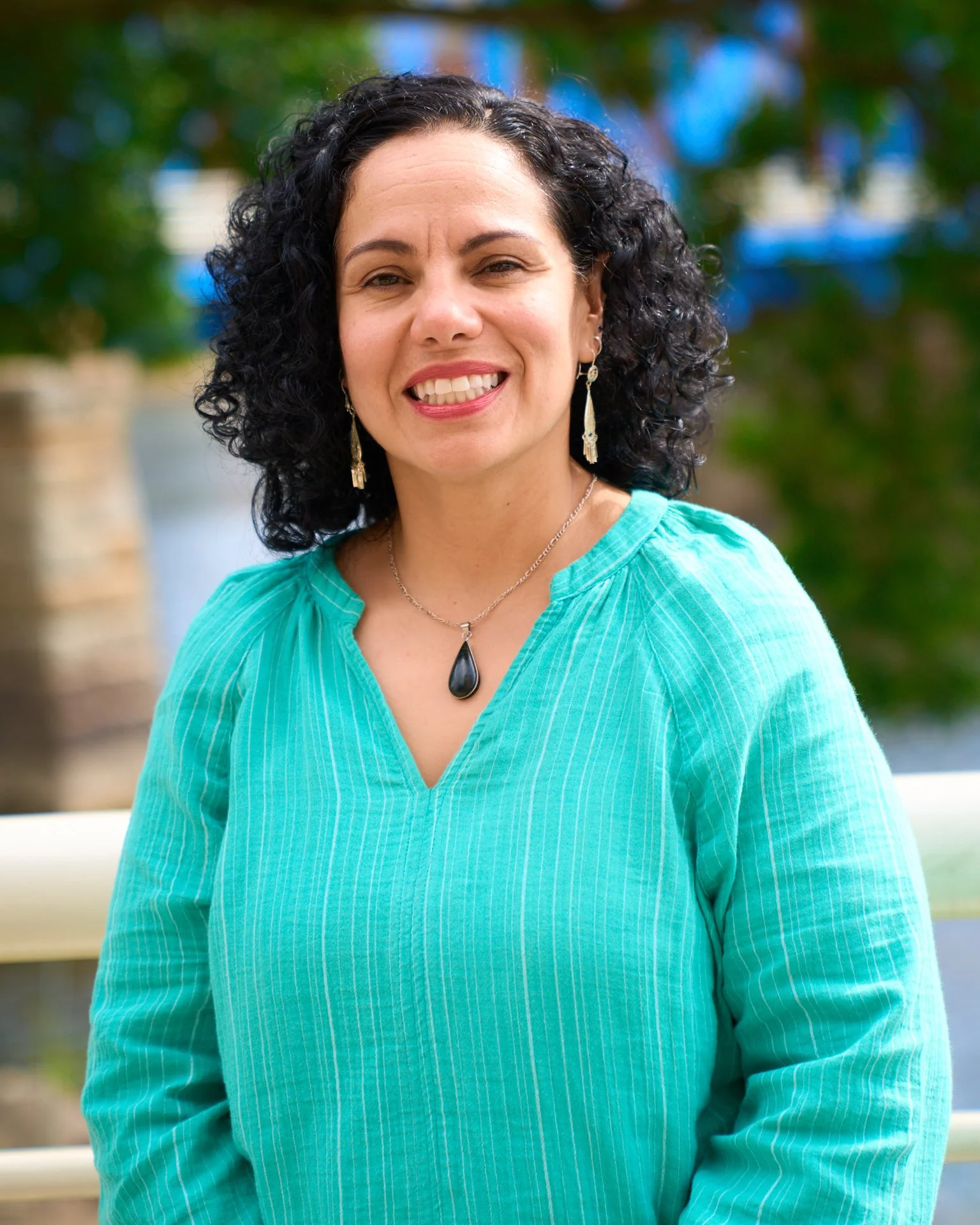
Lorena Aguayo-Márquez
Lorena Aguayo-Márquez is the Community Impact Manager at WGVU Public Media and the station’s first Latina leader. A connector, strategist, and storyteller at heart, she brings more than 20 years of experience in community engagement, education, and workforce development. Rooted in storytelling and equity, Lorena leads with purpose, advancing equity, uplifting underrepresented voices, and creating spaces where people feel seen, valued, and empowered to thrive.
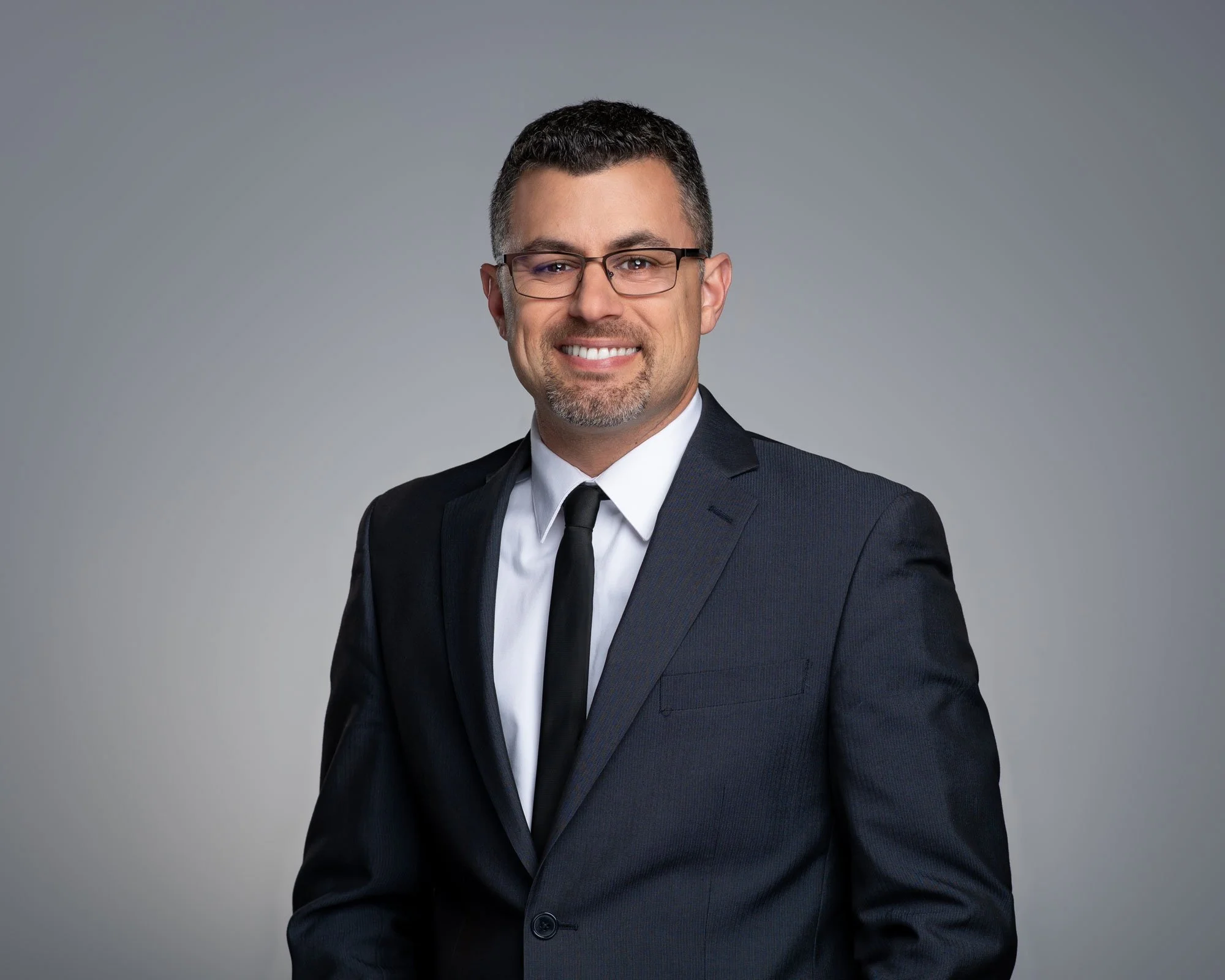
Daniel Cardenas
As the inaugural Director of Diversity, Equity, and Inclusion, Daniel Cardenas (he/him) serves as the main advocate for KPBS’ diversity vision, initiatives, action plan and strategic goals. He serves as a key collaborator between San Diego State University, the San Diego State University Research Foundation, and KPBS. For the past two years, he has been the subject-matter expert and champion for diversity, equity, inclusion, access and belonging at the station.
Prior to KPBS, Daniel spent over a decade creating equitable education and work environments on university campuses. This includes UC San Diego, UC Davis, as well as Oregon State University where he led recruitment, retention, and culturally affirming programming for students, faculty, and staff. Daniel earned a Master of Education from Oregon State University and his bachelor’s from Sonoma State University.
Daniel is a father, partner, and poet. When not working, he can be found at the park, riding bikes, hiking with his family, or taking in San Diego’s art and hip hop scene.
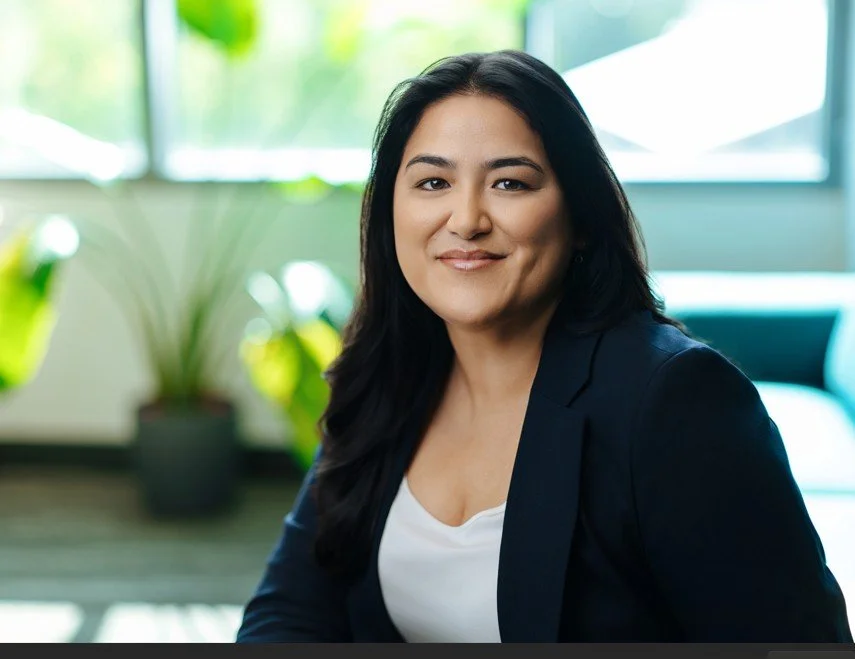
Ashley Alvarado
Ashley Alvarado became president and CEO of Texas Public Radio in December 2024, bringing more than two decades of experience in journalism.
During her twelve years at LAist, Ashley led community engagement efforts across a wide range of initiatives, from live events and art installations to responding to thousands of questions from community members. She oversaw teams focused on audience engagement and newsroom experimentation.
An award-winning journalist and experienced newsroom coach, Ashley has worked with Blue Engine, the Poynter Institute, and the American Press Institute. She has also contributed to leadership programs with the National Association of Hispanic Journalists and the Asian American Journalists Association. A former president of Journalism That Matters, Ashley currently serves on the boards of the Online News Association, Greater Public, and the First Amendment Coalition.
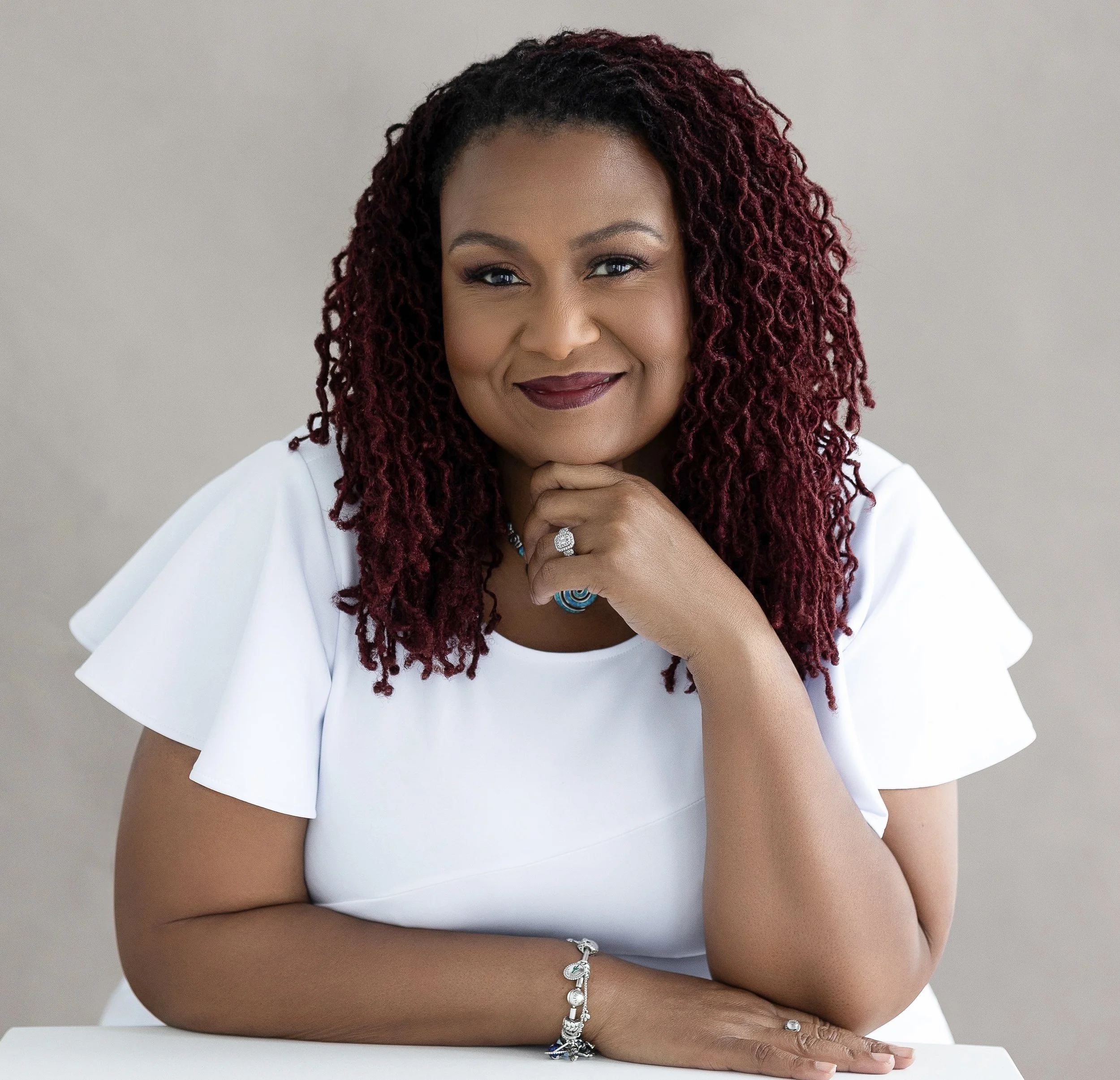
Kenya Young
Kenya Young is President and CEO of Louisville Public Media, where she oversees the organization’s strategic vision, operations, and multi-platform content strategy. She brings nearly two decades of experience in public media and journalism.
Previously, she served as Senior Vice President at New York Public Radio, overseeing podcast studios, programming, digital platforms, live events, and audience development.
Kenya’s career began as a journalist and news producer, advancing into leadership roles including Executive Producer of NPR’s flagship programs Morning Edition and All Things Considered, and Managing Editor leading groundbreaking collaborations connecting public media stations nationwide.
Podcast portfolios over the years have included Up First, Radiolab, The New Yorker Radio Hour, and On the Media, reaching millions of listeners through audience growth and innovation.
Kenya has been a longtime advocate for including underrepresented and underserved voices and communities in newsrooms and storytelling. She is committed to ensuring diverse perspectives are reflected in teams, content, and the audiences public media serves. She is passionate about developing and mentoring the next generation of public media leaders.
Kenya holds a B.A. in American Studies with a minor in Journalism from the University of Notre Dame.
Lost CPB data is a blow to our public service
Many things are being lost with the end of CPB, including the public access to important information that was used to provide some measure of standard accountability in public media as part of Community Service Grant (CSG) reporting. Perhaps this makes sense, as there are no more CSG funds to be distributed, and CPB is focusing on other things as they wind down with limited staff. Yet, given public media’s commitment to reporting, education and transparency, the sudden loss seems a little odd, especially when erasing data from national websites of record has been such a controversial topic this year.
Why does this matter?
Back in 2021, Public Media for All did an analysis comparing race and ethnicity data of public media employees to the US population as a whole. This work was possible, because of publicly available CSG reporting data on the CPB website. Our analysis showed that the people working in public media continued to be far less diverse than the communities that they aimed to serve. While this was hardly surprising, it was an important truth to quantify. That’s also why CPB required stations to provide this data in order to qualify for CSG funding. You manage what you measure.
CSG reporting was far from perfect. CPB oversight was limited, there were no clear goals and no consequences for failure to improve. Still, it provided some transparency, required some management, and therefore created some accountability for stations to employ people, who reflected their communities and the diverse array of human experience in this country. That kind of staffing is essential for a core part of our mission: serving America in part by intentionally creating content by and for historically marginalized communities.The standardized, publicly accessible data collected longitudinally allowed for easy and deep dive analysis going back many years. Now that CSG funding is gone and with it all demographic reporting requirements, our ability to track our progress as a network towards the dynamic, fair, complex and varied service that the public deserves is in jeopardy.
Local Accountability
There are many reasons why individual stations should continue to commit to collecting and reporting this data.
When done well, annual employee engagement surveys continue to be a vital source for information to increase staff satisfaction, retention and productivity. Including demographic questions in these surveys is easy, and allows for deeper, more nuanced analysis.
Regularly reporting these survey results to a governing or community board should be standard practice, and will proactively engage them as station leaders and supporters.
Many funders request this kind of data as part of their grant application process, so it’s good to have recent numbers readily on hand.
Stations can include this data on their website as an act of good faith transparency to their communities.
Yet, individual stations acting on the honor system, or just best practices, will not give us an easily accessible view of the system as a whole.
A Lesson from Newsrooms
We do not have to look far to see why national level data is important, and also hard to collect. For decades the journalism industry ran the Newsroom Employment Diversity Survey, but lack of support and declining voluntary participation led to its pause in 2020. Without incentives like funding, it was hard for newsrooms to prioritize this kind of reporting work. However, declining participation does not mean that this industry-wide data analysis isn’t still vital. That’s why the American Press Institute is working to preserve the historical data, and revive the survey with funding from the John S. and James L. Knight Foundation.
Funding Implications
Mission and funding go hand in hand. Functionally, they cannot be separated. We need funds to work towards our mission, and a strong mission is necessary to inspire giving. Alex Curley from Semipublic has been leading efforts to save CSG data. Most recently in a piece this week for Current, and also on Substack, he has highlighted how CPB’s reporting has been critical in determining which stations were most at risk from defunding, and where funders could make the most impact. Improving public service must be measured in relation to budgets, investments measured by impact. As public media organizations chart a path forward, it will be critical for them to have national revenue and demographic benchmarks to inform their strategies.
Take Action
Semipublic and State of Local News Project at Northwestern University’s Medill School of Journalism have requested this data from CPB, and have since been joined by Free Press and Current. Similar to the American Press Institute, they are pledging to keep historical data publicly accessible, and explore options to continue collecting data from across the public media system. They are actively seeking public media leaders and organizations to join in this request of CPB before it’s too late. Reach out to them at contact [at] semipublic.co.
CPB is not subject to Freedom of Information Act (FOIA) requests, but we can collectively urge them to keep their commitments to public accountability and system-wide data sharing until their end. You can contact CPB via phone, email or direct mail and let them know that you support Semipublic’s records request.
Finally, we can prepare. If CPB declines to help keep this vital data source publicly available, then other public media organizations and funders should work together to save it. Historical reporting can be salvaged from Internet archives, and we can collectively commit to continuing to gather, report and share this information that is a record of our value, impact and service to everyone in America.
Public Media for All will continue to track this issue and highlight efforts to ensure that national level data about diversity and revenue in public media is kept accurate and accessible. Stations need these benchmarks to set goals towards our mission to serve all. Most importantly, everyone in this country deserves transparency and accountability from nonprofit media organizations that were founded to support public service, equitable access to education, unbiased reporting, the free exchange of ideas, and our democracy.